Pre-Construction Checklist: Key Steps Before Starting a Commercial Construction Project

Every successful commercial construction project begins long before the first shovel hits the ground. Proper planning in the pre-construction phase lays the foundation for a smooth and efficient build. By following a detailed pre-construction checklist, business owners and project managers can avoid costly delays, reduce risk, and ensure all legal, financial, and logistical elements are in place before construction begins.

Why a Pre-Construction Checklist Is Needed

A well-structured pre-construction checklist provides clarity and confidence heading into a commercial build. Without it, crucial steps can be overlooked, leading to budget overruns, permitting issues, or design flaws that delay the entire project. A checklist acts as a roadmap for everyone involved, aligning project stakeholders and ensuring consistent communication and accountability. Whether you’re a developer, business owner, or construction manager, having this guide in place can be the difference between a successful launch and a costly setback.

What to Include on Your Pre-Construction Checklist

Each commercial project is unique, but there are foundational steps every construction team should follow before the building begins. A complete pre-construction checklist helps streamline this process, ensuring every base is covered before moving into the construction phase.

Defining Project Goals & Budget

Before any construction begins, you need clear project objectives and a realistic budget. Establishing these parameters helps align the design, materials, timeline, and resource allocation to your broader business goals. Consider the total construction costs and contingencies, soft costs, and potential delays. With Connor Construction’s guidance, clients develop pre-construction budgets that reflect real-world conditions and avoid the surprises that derail so many commercial projects.

Securing Permits and Zoning Approvals

Securing the necessary permits and ensuring zoning compliance is a crucial step in the pre-construction process. Missing or incomplete documentation can lead to serious delays or even fines once construction begins. Every municipality has different requirements, so it’s essential to work with a contractor who understands local regulations. Connor Construction assists clients by managing the entire permitting process to keep the project moving forward without interruption.

Selecting a Commercial Contractor

Choosing the right contractor can make or break your project. Look for a commercial contractor with relevant experience, strong references, clear communication practices, and a proven track record in delivering on time and within budget. Your contractor should also be comfortable collaborating with architects, engineers, and local officials. As a reliable name in commercial construction, Connor Construction offers comprehensive services and a client-first approach, setting your project up for success from day one.

Hiring an Architect and Engineers

An architect transforms your vision into buildable blueprints, while engineers ensure the structure meets safety, utility, and code requirements. Bringing them into the process early improves coordination and helps prevent redesigns later on. Make sure the professionals you hire understand your industry and the specific demands of your facility. Be sure to partner with leading architects and engineers to ensure commercial projects are well-planned and properly executed from the start.

Site Evaluation and Soil Testing

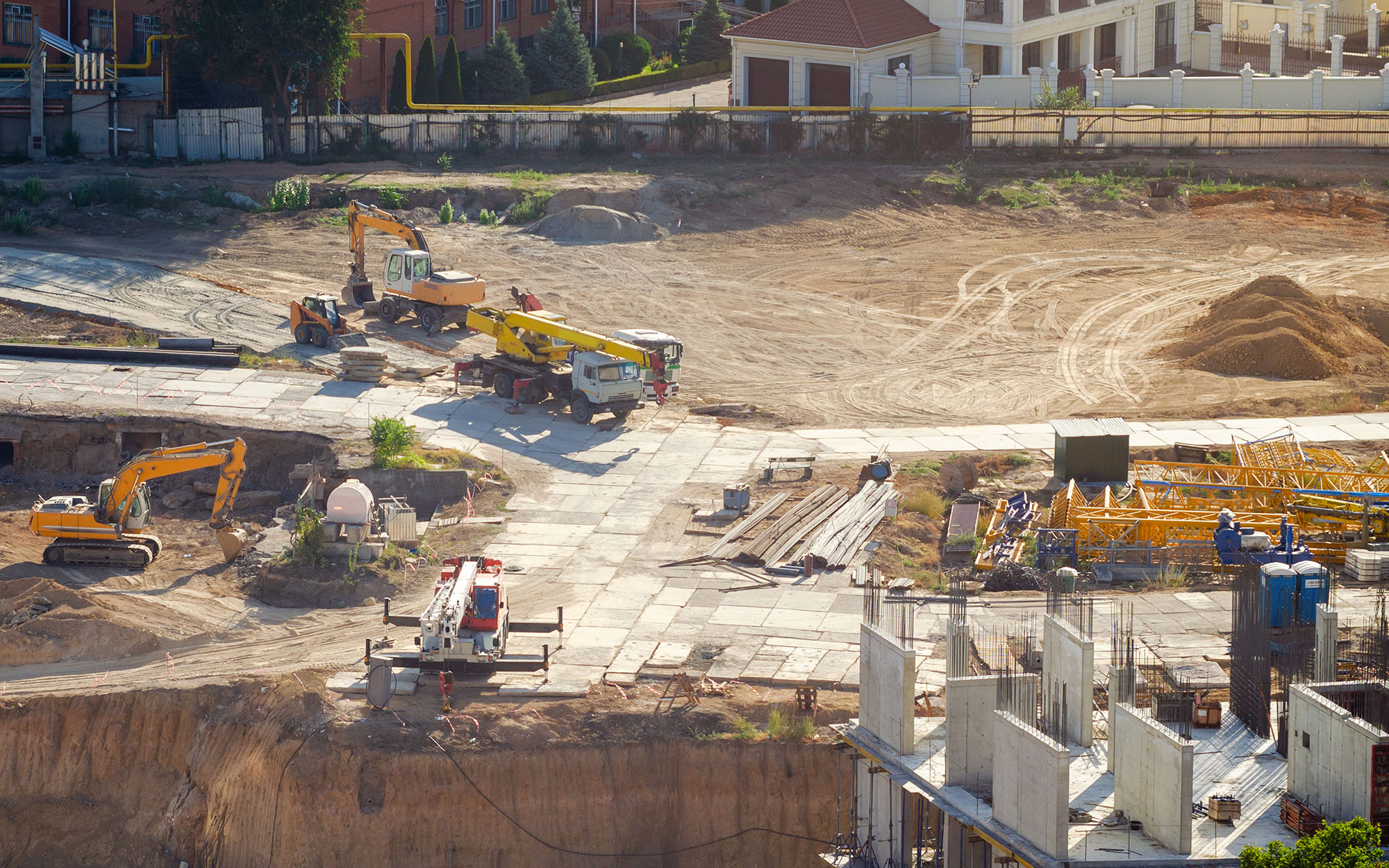
Every project starts with a thorough evaluation of the land itself. Soil testing helps determine whether the ground can support your structure, identify drainage issues, and guide foundation design. Skipping this step can lead to major issues later, such as structural instability or unexpected construction delays. Including site and soil assessments in your pre-construction checklist helps ensure a solid foundation—literally and figuratively—for your project.

Understanding Building Codes and Compliance

Every commercial building must adhere to specific local, state, and federal codes. These codes affect everything from structural safety and fire prevention to accessibility and energy efficiency. Failing to meet code requirements can result in major setbacks or legal consequences. Your contractor should have a deep understanding of the applicable codes and how to meet them. It’s essential that code compliance is built into every phase of planning and execution.

Developing a Construction Timeline

Establishing a detailed construction schedule helps all stakeholders stay on the same page and prepares your team for key milestones. A realistic timeline also identifies critical path tasks and accounts for contingencies such as weather delays or material shortages. Having a clear schedule in your pre-construction checklist helps maintain momentum and sets the tone for a well-managed project. Connor Construction uses modern project management tools to track timelines and deliver projects on time.

Planning for Safety and Risk Management

Before construction starts, it’s important to identify potential safety hazards and establish site-specific safety protocols. Risk management planning also includes addressing insurance coverage, worker training, and emergency procedures. A safe site protects your team and reduces the risk of costly delays and liability. With safety as a top priority, Connor Construction integrates risk mitigation strategies into every project from the very beginning.

Start your project off right by partnering with Connor Construction—our expert pre-construction services help you build a complete, reliable pre-construction checklist for lasting success.

Pre-Construction Planning Tips for a Smoother Build

Taking a proactive approach to the planning phase can make a significant difference in how smoothly your construction project runs. Here are some helpful tips to further enhance your pre-construction checklist:

  • Involve Stakeholders Early: Bring all decision-makers into the planning process early to avoid last-minute changes and ensure alignment.
  • Use Pre-Construction Software: Tools like scheduling software and document management platforms improve collaboration and accuracy.
  • Build in Contingency Time and Budget: Set aside extra resources to handle the unexpected, from weather delays to supply chain issues.
  • Document Everything: Keep detailed records of approvals, contracts, and communications to prevent misunderstandings and legal issues.
  • Work with Experienced Partners: Choose experienced construction professionals who understand commercial projects and can navigate complex regulations and logistics.

By integrating these best practices into your pre-construction checklist, you can reduce stress, improve outcomes, and position your project for long-term success.

Oversee Your Pre-Construction Phase with Confidence — Partner with Connor Construction

At Connor Construction, we specialize in managing complex commercial builds from the ground up—starting with expert pre-construction services. Our team helps you navigate each step of the process with transparency, professionalism, and a commitment to quality. With years of experience in diverse industries, we understand how to prepare your project for success before construction even begins.

Ready to take the first step toward a successful commercial build? Contact Connor Construction today to learn more about our comprehensive pre-construction services and how we can help bring your vision to life.

More Like This

interior retail space renovation
The exterior facade of a generic small business
Side view of interior modern office of science or technology
Commercial building under construction