Understanding Industrial Renovation: Transforming Spaces Into Mission-Critical Infrastructure

Businesses operate in an environment where downtime isn’t just inconvenient, it’s often catastrophic. As operations become more tech-driven and reliant on continuous uptime, repurposing existing facilities into high-performing, mission-critical hubs is more important than ever. With the right industrial renovation, companies can secure resilience, safeguard productivity, and maximize the value of their existing assets.
What Exactly Is an Industrial Renovation?

An industrial renovation involves upgrading or completely repurposing an existing industrial building to meet new operational, technological, or regulatory requirements. Unlike general commercial remodels, industrial renovations often transform facilities into specialized, mission-critical environments.

This might include converting a traditional manufacturing site into a state-of-the-art data center, updating an old logistics hub into an advanced warehouse renovation, or retooling a medical production facility to meet the needs of modern healthcare operations. Other common examples include tech centers requiring advanced electrical and cooling infrastructures or financial institutions that demand secure, redundant systems.

Each project is unique, but they all share the goal of preparing an older structure for the intense, specialized demands of modern industry.

Turning an Existing Facility Into a Mission-Critical Powerhouse

Transforming an aging industrial space into a mission-critical facility is both a strategic opportunity and a complex undertaking. Unlike greenfield industrial construction, renovating existing structures requires careful planning to work around legacy layouts, aging systems, and potential hidden issues.

Below are the essential process steps that guide a successful industrial renovation, ensuring that old buildings are expertly adapted for modern, high-demand operations.

Strategic Assessment and Feasibility Studies

Every successful renovation starts with a thorough evaluation of the existing structure. This phase involves site inspections, structural assessments, and feasibility studies that analyze whether the building can be cost-effectively upgraded to meet new operational needs. This critical step identifies potential risks and helps develop a renovation roadmap that aligns with long-term business goals.

Collaborative Design and Planning

Because mission-critical facilities often require highly specialized features, close collaboration between stakeholders, architects, engineers, and construction experts is essential. During this stage, teams identify layout optimizations, infrastructure upgrades, and compliance requirements. The focus is on balancing future flexibility with the precise demands of the intended operations.

Scheduling and Phased Construction Strategies

Keeping parts of a facility operational during an industrial renovation is often necessary, especially for companies that can’t afford to shut down. That’s why strategic scheduling and phased renovation plans are developed to minimize disruptions. This might involve tackling critical systems in stages or creating temporary workflows that allow existing operations to continue while upgrades are performed.

Integrating Future-Proofing Measures

A key aspect of turning a legacy building into a mission-critical facility is planning for scalability. Thoughtful renovation strategies look beyond current needs to include infrastructure that can accommodate future technologies, increased capacity, or evolving industry standards, ensuring the investment delivers long-term value.

Explore Connor Construction’s expert renovation services to see how an industrial renovation can transform your facility into a high-performance, future-ready operation.

Common Elements of an Industrial Renovation

While each industrial renovation is customized to specific operational demands, there are common upgrade areas that provide the backbone for reliable, future-proof facilities. These critical enhancements collectively transform outdated structures into spaces capable of supporting sensitive processes, complex technologies, and uninterrupted workflows.

From reinforcing the physical structure to implementing advanced environmental controls, these building blocks ensure your facility meets today’s needs and is equipped to adapt as your industry evolves.

Structural Reinforcements

Many older industrial buildings were constructed for different uses or lighter workloads, which means they often lack the capacity for today’s heavy machinery or dense storage requirements. Structural reinforcements may involve strengthening support beams, adding new load-bearing columns, upgrading concrete flooring to higher load ratings, or fortifying the roof to carry additional HVAC or energy systems.

These critical updates help extend the life of your facility while ensuring it can safely handle expanded operations or future equipment.

HVAC and Environmental Control Systems

Maintaining consistent, carefully controlled environments is essential for mission-critical operations, whether it’s protecting sensitive servers in a data center or maintaining precise conditions for pharmaceutical production. Industrial renovations frequently incorporate high-capacity HVAC systems paired with advanced air filtration and humidity management.

These upgrades ensure regulatory compliance and also protect assets, employees, and end products by maintaining stable, contamination-free environments that minimize risk and maximize operational consistency.

Electrical Redundancies and Power Management

Reliable, uninterrupted power is non-negotiable in facilities that support continuous operations. That’s why industrial renovation projects typically include comprehensive electrical upgrades, such as installing dual power feeds, on-site backup generators, and uninterruptible power supplies (UPS) to cover short-term outages.

These systems create multiple layers of protection, ensuring that even if one power source fails, operations can continue without interruption, safeguarding critical data, processes, and customer commitments.

Compliance Upgrades and Industry Standards

As regulations grow stricter and industries adopt more rigorous quality and safety protocols, older facilities often fall behind compliance benchmarks. Industrial renovations typically include installing modern fire suppression systems, upgrading accessibility features, and integrating cybersecurity protections in both physical and digital infrastructure.

These updates help keep your operation within legal standards while strengthening safety, protecting reputations, and avoiding the financial penalties that come from failing inspections or audits.

Should You Invest in an Industrial Renovation?

While every operation is different, there are clear indicators that your facility may need an industrial renovation to keep pace with modern demands. If you’re experiencing any of the following, it might be time to rethink your infrastructure:

  • Frequent Equipment Failures: Regular mechanical or electrical issues suggest your facility’s infrastructure can’t reliably support operations. Over time, these constant breakdowns lead to increased downtime, costly emergency repairs, and a risk to your ability to meet production or delivery commitments.
  • Escalating Energy Costs: Older buildings with outdated systems often bleed efficiency, increasing utility expenses. Without modern HVAC, lighting, or energy management systems, operational costs continue to climb, cutting into profit margins and reducing your competitive edge.
  • Inability to Meet Compliance Standards: New regulatory or industry standards may outpace the capabilities of your existing facility. Failing to keep up can expose your business to fines, failed audits, and even forced operational shutdowns that damage customer trust.
  • Limited Scalability for Growth: If your current building can’t be easily adapted to handle increased production or new technologies, growth stalls. This physical limitation can prevent you from launching new products, expanding service lines, or taking on larger contracts.
  • Customer or Client Demands Have Changed: More stringent SLAs, faster delivery expectations, or new service models may require infrastructure that your current building lacks. Without upgrades, you risk losing business to competitors who are better equipped to meet evolving market needs.

If these warning signs sound familiar, it may be time to explore how a targeted renovation can transform your facility into a reliable, future-ready asset.

Transform Your Operation With an Industrial Renovation From Connor Construction

At Connor Construction, we understand the intricacies of transforming aging industrial buildings, whether it’s a warehouse renovation, converting a site into a resilient data center, or modernizing a healthcare manufacturing hub. With expertise in industrial construction, compliance, and phased delivery strategies, we can turn your existing facility into a competitive advantage.

Partner with Connor Construction to discover how an industrial renovation can position your business for long-term success. Reach out today to start building the future of your mission-critical infrastructure.

More Like This

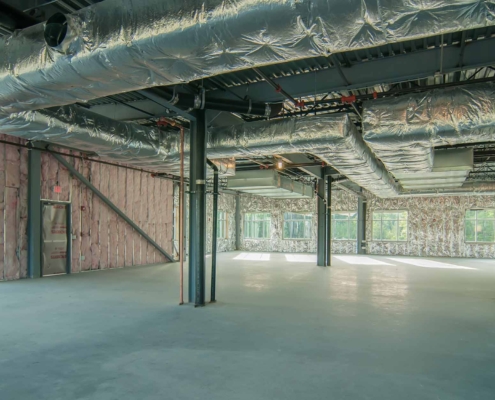
steel frame construction project unfinished
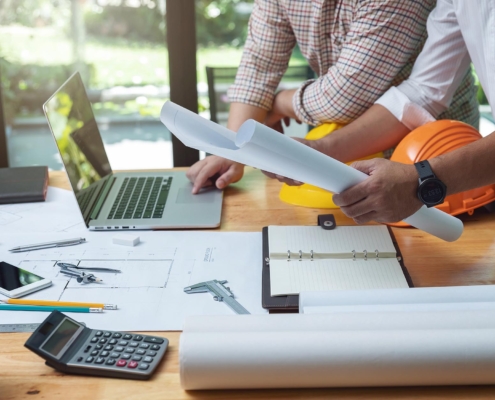
People in office reviewing blueprints
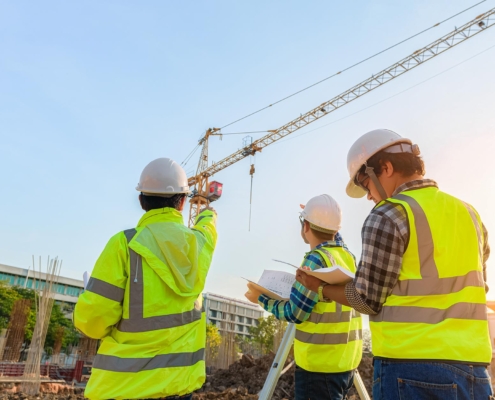
Back view of a group of construction workers analyzing a work site