 https://connorconstructionllc.com/wp-content/uploads/2026/07/How-to-Choose-a-Commercial-General-Contractor-for-Your-Mid-Atlantic-Project.jpg
1250
2000
AbstraktMarketing
/wp-content/uploads/2022/03/Connor-Construction-Logo-No-Key.png
AbstraktMarketing2026-07-24 08:10:292026-07-24 08:11:23How to Choose a Commercial General Contractor for Your Mid-Atlantic Project
https://connorconstructionllc.com/wp-content/uploads/2026/07/How-to-Choose-a-Commercial-General-Contractor-for-Your-Mid-Atlantic-Project.jpg
1250
2000
AbstraktMarketing
/wp-content/uploads/2022/03/Connor-Construction-Logo-No-Key.png
AbstraktMarketing2026-07-24 08:10:292026-07-24 08:11:23How to Choose a Commercial General Contractor for Your Mid-Atlantic ProjectWhat Goes Into High-Performance Laboratory Construction?
Not all buildings are built the same, especially laboratories. Unlike standard commercial construction, lab facilities must be precision-built to support sensitive equipment, advanced technologies, and strict regulatory demands. Understanding the complexity behind laboratory construction is the first step in creating a space that supports scientific innovation, protects staff, and passes rigorous compliance checks.
High-Performance Laboratories: More Than Just Four Walls
High-performance laboratory facilities are essential for critical industries such as biotechnology, pharmaceuticals, healthcare, and academic research. These environments demand more than just ample space, providing safety, stability, and flexibility to accommodate high-stakes work. Unlike traditional office buildings, labs must support controlled environments, specialized systems, and future-focused design, all while meeting industry-specific regulations.
Every decision made during laboratory construction impacts long-term functionality, from HVAC design and MEP systems to layout and materials. With these facilities often supporting multi-million-dollar research or medical procedures, getting it right the first time is non-negotiable.
Key Components of Laboratory Construction
Building a high-performance lab requires an integrated approach that merges architecture, engineering, and compliance planning. The elements below highlight the core systems and structural considerations for successful laboratory construction.
Precision HVAC Systems
In high-performance laboratory construction, HVAC systems are central to maintaining a clean, controlled environment. These systems do more than regulate temperature—they manage pressure zones, air changes, and airborne contaminants. Laboratories often require HEPA filtration, negative or positive pressure environments, and constant air exchanges to meet safety standards. The complexity of these systems is critical, ensuring safe operations, staff comfort, and regulatory compliance in sensitive lab settings.
Integrated MEP Systems
Mechanical, electrical, and plumbing (MEP) systems must work in harmony within laboratory construction to support essential research functions. These systems power lab equipment, distribute specialty gases, manage vacuum systems, and provide deionized water, often with redundancy for reliability. Any misalignment can lead to disruptions or safety hazards. Effective lab design requires deeply coordinated MEP planning that aligns utilities with research workflows and ensures long-term operational resilience.
Structural Requirements
Laboratory buildings often need structural customization far beyond what standard commercial spaces offer. Sensitive equipment may require vibration isolation, reinforced flooring, or elevated access systems for cabling and airflow. These structural adjustments create a stable platform for precision work. Without them, research can be compromised by even minor vibrations or load inconsistencies, making them a critical aspect of high-performance lab construction.
Cleanroom and Containment Protocols
Cleanrooms and containment areas are essential for labs handling hazardous or sensitive materials. Depending on the biosafety level (BSL-2, BSL-3), labs may require sealed rooms with airlocks, gowning zones, and seamless finishes that resist contamination. Entry and exit protocols must also be tightly controlled. These features help prevent cross-contamination and ensure safe, compliant operation in facilities that handle infectious agents or sterile procedures.
Regulatory Compliance and Biosafety Standards
Compliance with agencies like the CDC, NIH, OSHA, and ASHRAE is non-negotiable in laboratory construction. These organizations dictate how labs must be designed, built, and operated to protect workers, the public, and the environment. Ensuring compliance from day one helps avoid delays and fines, while also establishing a strong foundation for safe, scalable research environments. Knowledge of biosafety protocols is essential throughout the planning and construction phases.
Energy Efficiency and Sustainability
Modern labs are energy-intensive, but sustainable strategies can significantly reduce their footprint. Laboratory construction can integrate high-efficiency HVAC systems, recycled materials, and smart lighting controls to minimize energy use. Systems like energy recovery ventilators (ERVs) further improve efficiency without compromising air quality. Meeting LEED or WELL standards is increasingly common, and labs are positioned to meet future regulatory expectations while supporting corporate sustainability goals.
Modular and Flexible Design
The rapid evolution of research technologies requires laboratory spaces to be adaptable. Modular construction allows facilities to be reconfigured with minimal disruption, supporting long-term flexibility. Whether it’s converting a lab bench area into a cleanroom or scaling up for a new research initiative, modular design ensures the facility evolves alongside the work it supports. This approach also reduces renovation costs and downtime over the life of the lab.
Long-Lead Materials and Specialized Vendor Coordination
Lab-grade components such as antimicrobial surfaces, custom casework, or fume hoods often have extended lead times. These materials must be ordered well in advance and coordinated through trusted vendors familiar with laboratory environments. Any delays in sourcing can ripple through the project timeline. A successful build depends on expert scheduling and procurement, ensuring that specialized materials arrive on time and meet the unique demands of the facility.
Design-Build Delivery for Lab Construction
A design-build project delivery model is highly effective for laboratory construction. With architects, engineers, and builders working as one team, miscommunications are minimized, and complex design challenges are resolved quickly. This approach also leads to better cost control and fewer change orders. At Connor Construction, we’ve found that the design-build method streamlines laboratory projects—especially when speed, accuracy, and coordination with end users are essential.
Connor Construction builds high-performance laboratories for the science and technology sector, creating state-of-the-art facilities designed to support innovation, safety, and long-term success.
How the Right Contractor Ensures High-Performance Results
Laboratory construction is not the place to cut corners or work with a general contractor who lacks relevant experience. Partnering with a builder like Connor Construction, who specializes in high-performance environments, brings several benefits:
- Regulatory Expertise: Ensures labs meet CDC, NIH, and OSHA requirements.
- Risk Management: Minimizes project delays or compliance penalties.
- Vendor Coordination: Handles specialized sourcing for lab-specific equipment and finishes.
- Technical Know-How: Understands how HVAC, MEP, and structural systems must work together.
- Operational Integration: Designs spaces that support real-world workflows and research needs.
By aligning construction practices with the technical demands of laboratory users, expert contractors reduce risk and help organizations achieve their goals faster and more efficiently.
What to Look for in a Lab Construction Partner
Choosing a contractor for a lab project is not the same as hiring for standard commercial work. Key considerations should include:
- Specialization in lab or healthcare construction
- Familiarity with biosafety and cleanroom requirements
- Strong vendor network for sourcing lab-grade materials
- Ability to manage long-lead items and project logistics
- Design-build capabilities
- Portfolio of completed lab projects across industries
These criteria can help ensure your project stays on time, on budget, and compliant—while also meeting performance expectations for years to come.
Start Your Lab Construction Project With Connor Construction
At Connor Construction, we understand that laboratory construction is about more than just walls and wires—it’s about building a foundation for discovery, innovation, and safety. From early planning and regulatory alignment to final commissioning, our team ensures your lab facility performs to the highest standards.
Whether you’re designing a new research hub or expanding an existing biotech campus, trust Connor Construction to deliver a high-performance lab environment tailored to your vision and industry demands.
https://connorconstructionllc.com/wp-content/uploads/2026/07/How-to-Choose-a-Commercial-General-Contractor-for-Your-Mid-Atlantic-Project.jpg
1250
2000
AbstraktMarketing
/wp-content/uploads/2022/03/Connor-Construction-Logo-No-Key.png
AbstraktMarketing2026-07-24 08:10:292026-07-24 08:11:23How to Choose a Commercial General Contractor for Your Mid-Atlantic Project https://connorconstructionllc.com/wp-content/uploads/2026/07/Dental-Office-Construction-and-Renovation-What-Practice-Owners-Need-to-Know-Before-They-Build.jpg
1250
2000
AbstraktMarketing
/wp-content/uploads/2022/03/Connor-Construction-Logo-No-Key.png
AbstraktMarketing2026-07-24 08:02:072026-07-24 08:02:51Dental Office Construction and Renovation: What Practice Owners Need to Know Before They Build
https://connorconstructionllc.com/wp-content/uploads/2026/07/Dental-Office-Construction-and-Renovation-What-Practice-Owners-Need-to-Know-Before-They-Build.jpg
1250
2000
AbstraktMarketing
/wp-content/uploads/2022/03/Connor-Construction-Logo-No-Key.png
AbstraktMarketing2026-07-24 08:02:072026-07-24 08:02:51Dental Office Construction and Renovation: What Practice Owners Need to Know Before They Build https://connorconstructionllc.com/wp-content/uploads/2022/04/Education-Market-Bancroft-5.jpg
1250
2000
AbstraktMarketing
/wp-content/uploads/2022/03/Connor-Construction-Logo-No-Key.png
AbstraktMarketing2026-07-24 07:55:162026-07-24 07:55:22Education Facility Construction in the Mid-Atlantic: What to Know Before You Build
https://connorconstructionllc.com/wp-content/uploads/2022/04/Education-Market-Bancroft-5.jpg
1250
2000
AbstraktMarketing
/wp-content/uploads/2022/03/Connor-Construction-Logo-No-Key.png
AbstraktMarketing2026-07-24 07:55:162026-07-24 07:55:22Education Facility Construction in the Mid-Atlantic: What to Know Before You Build https://connorconstructionllc.com/wp-content/uploads/2026/03/Modern-Medical-Research-Laboratory-with-Computer-Microscope-Glassware.jpg
1250
2000
AbstraktMarketing
/wp-content/uploads/2022/03/Connor-Construction-Logo-No-Key.png
AbstraktMarketing2026-03-31 11:41:192026-05-13 16:25:16Why Design-Build Is the Smartest Choice for Modern Laboratory Construction
https://connorconstructionllc.com/wp-content/uploads/2026/03/Modern-Medical-Research-Laboratory-with-Computer-Microscope-Glassware.jpg
1250
2000
AbstraktMarketing
/wp-content/uploads/2022/03/Connor-Construction-Logo-No-Key.png
AbstraktMarketing2026-03-31 11:41:192026-05-13 16:25:16Why Design-Build Is the Smartest Choice for Modern Laboratory Construction 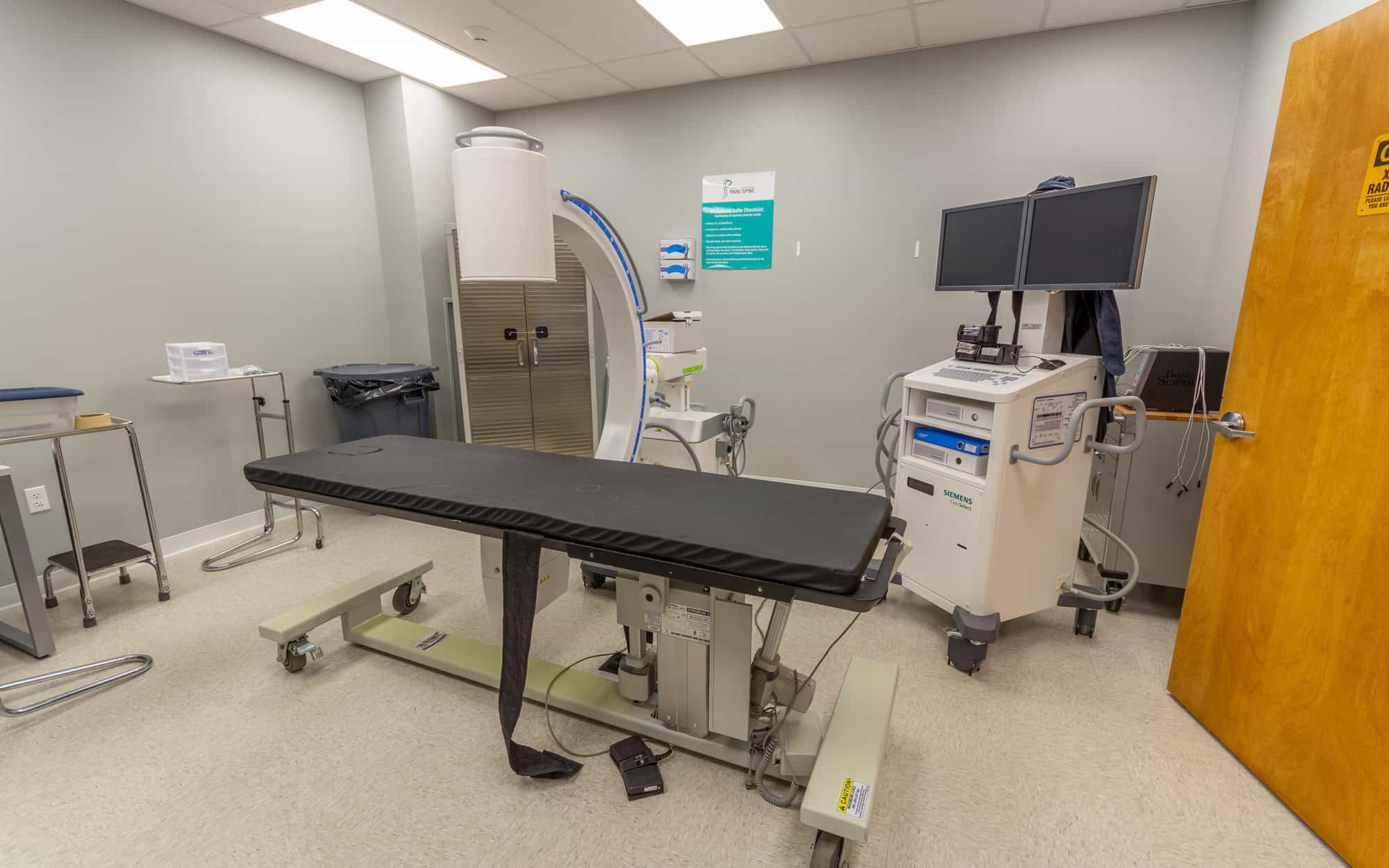 https://connorconstructionllc.com/wp-content/uploads/2026/01/outpatient-care-image.jpg
1250
2000
AbstraktMarketing
/wp-content/uploads/2022/03/Connor-Construction-Logo-No-Key.png
AbstraktMarketing2026-01-26 09:14:192026-05-13 16:25:18Comparing Inpatient and Outpatient Healthcare Construction Projects
https://connorconstructionllc.com/wp-content/uploads/2026/01/outpatient-care-image.jpg
1250
2000
AbstraktMarketing
/wp-content/uploads/2022/03/Connor-Construction-Logo-No-Key.png
AbstraktMarketing2026-01-26 09:14:192026-05-13 16:25:18Comparing Inpatient and Outpatient Healthcare Construction Projects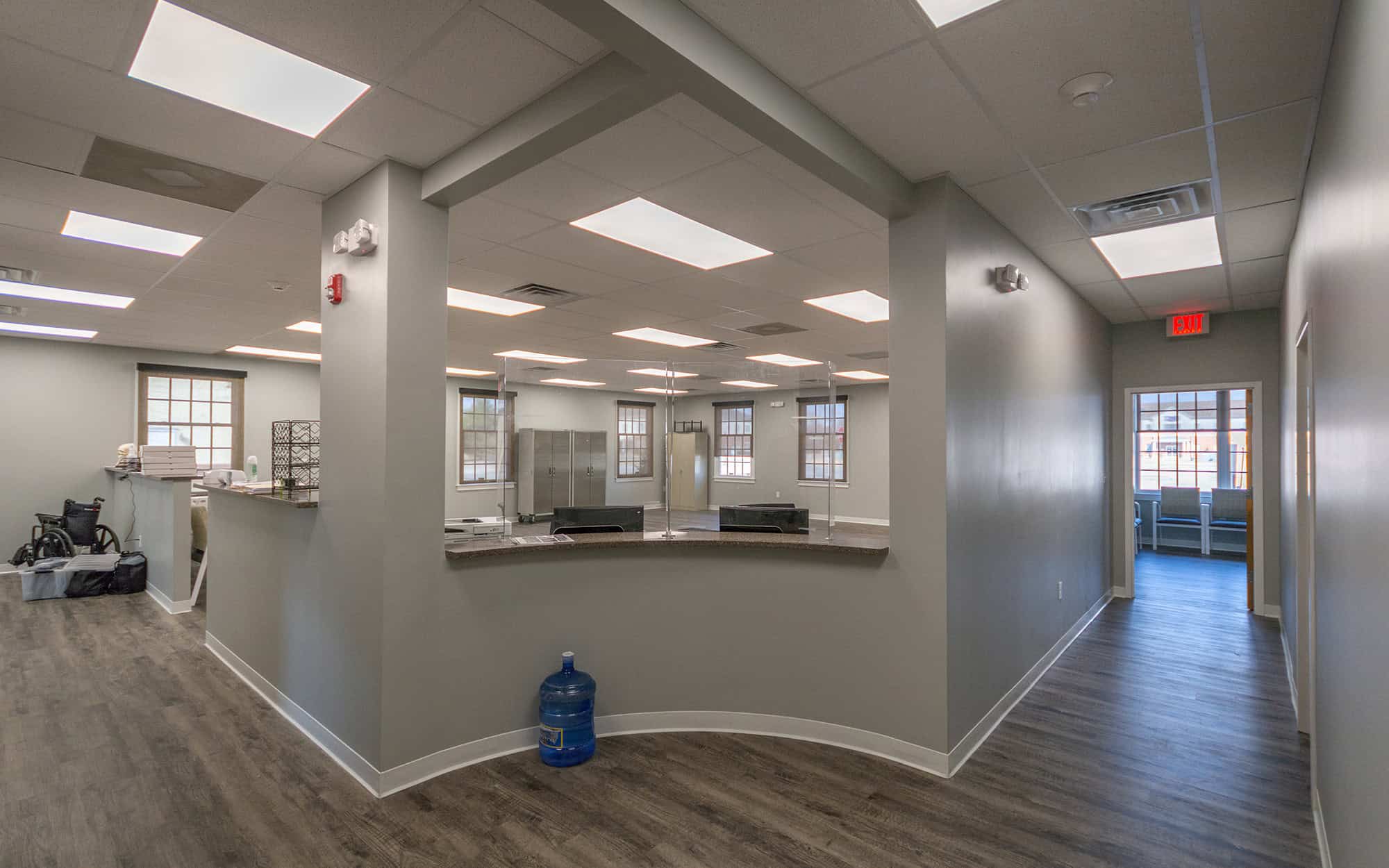 https://connorconstructionllc.com/wp-content/uploads/2026/01/Waiting-room-medical.jpg
1250
2000
AbstraktMarketing
/wp-content/uploads/2022/03/Connor-Construction-Logo-No-Key.png
AbstraktMarketing2026-01-26 09:12:502026-05-13 16:25:18Key Considerations in Outpatient Facility Construction
https://connorconstructionllc.com/wp-content/uploads/2026/01/Waiting-room-medical.jpg
1250
2000
AbstraktMarketing
/wp-content/uploads/2022/03/Connor-Construction-Logo-No-Key.png
AbstraktMarketing2026-01-26 09:12:502026-05-13 16:25:18Key Considerations in Outpatient Facility Construction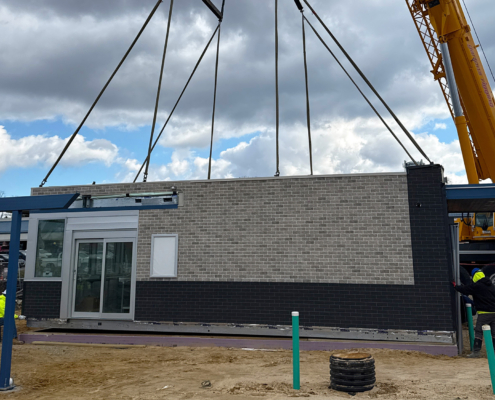 https://connorconstructionllc.com/wp-content/uploads/2025/09/7-Brew-Turnersville-NJ-3.jpg
1250
2000
AbstraktMarketing
/wp-content/uploads/2022/03/Connor-Construction-Logo-No-Key.png
AbstraktMarketing2025-10-06 14:36:322026-05-13 16:25:21The Benefits of Ground-Up Construction for Business Owners
https://connorconstructionllc.com/wp-content/uploads/2025/09/7-Brew-Turnersville-NJ-3.jpg
1250
2000
AbstraktMarketing
/wp-content/uploads/2022/03/Connor-Construction-Logo-No-Key.png
AbstraktMarketing2025-10-06 14:36:322026-05-13 16:25:21The Benefits of Ground-Up Construction for Business Owners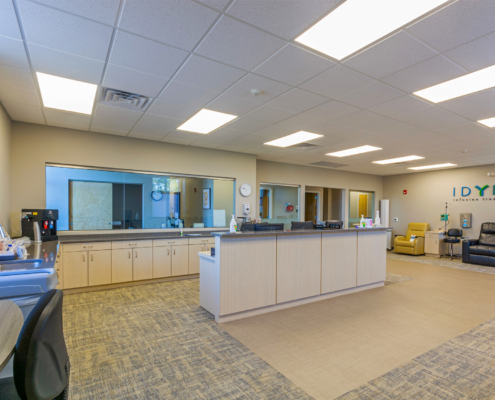 https://connorconstructionllc.com/wp-content/uploads/2024/05/ARBDA-1.jpg
1250
2000
AbstraktMarketing
/wp-content/uploads/2022/03/Connor-Construction-Logo-No-Key.png
AbstraktMarketing2025-08-06 16:23:162026-05-13 16:25:22Medical Construction Pitfalls: What Healthcare Providers Should Know Before Renovating
https://connorconstructionllc.com/wp-content/uploads/2024/05/ARBDA-1.jpg
1250
2000
AbstraktMarketing
/wp-content/uploads/2022/03/Connor-Construction-Logo-No-Key.png
AbstraktMarketing2025-08-06 16:23:162026-05-13 16:25:22Medical Construction Pitfalls: What Healthcare Providers Should Know Before Renovating https://connorconstructionllc.com/wp-content/uploads/2025/07/Why-Hiring-a-Specialized-Data-Center-Construction-Company-Matters.jpg
1250
2000
AbstraktMarketing
/wp-content/uploads/2022/03/Connor-Construction-Logo-No-Key.png
AbstraktMarketing2025-07-08 09:39:232026-05-13 16:25:23Why Hiring a Specialized Data Center Construction Company Matters
https://connorconstructionllc.com/wp-content/uploads/2025/07/Why-Hiring-a-Specialized-Data-Center-Construction-Company-Matters.jpg
1250
2000
AbstraktMarketing
/wp-content/uploads/2022/03/Connor-Construction-Logo-No-Key.png
AbstraktMarketing2025-07-08 09:39:232026-05-13 16:25:23Why Hiring a Specialized Data Center Construction Company Matters