The Role of Pre-Construction Planning in Industrial Projects

Industrial construction projects are some of the most complex undertakings in the built environment. From specialized equipment installations to navigating strict regulatory frameworks, these projects demand a level of precision and foresight that begins long before breaking ground. That’s where pre-construction planning plays a critical role.

By investing the time and resources into a strategic planning phase, project stakeholders can avoid costly missteps, identify risks early, and align the construction process with operational objectives. In industrial facility construction, where safety, compliance, and uptime are a priority, pre-construction planning is not just beneficial—it’s essential.

Why Pre-Construction Matters in Industrial Projects

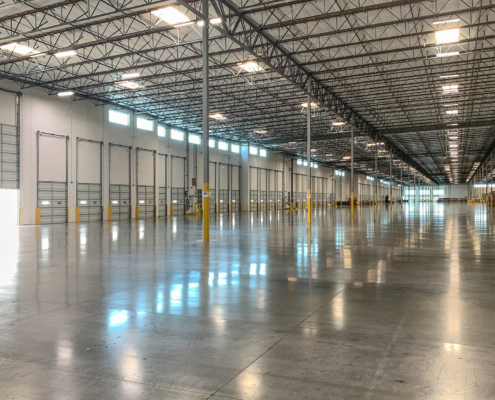
Unlike retail or commercial spaces, industrial facilities, such as distribution centers, manufacturing plants, or laboratories, often house sensitive operations that rely on mechanical systems, energy infrastructure, and precise layouts to function. Every detail, from ceiling height to power supply, must be planned with purpose.

Pre-construction planning provides a structured roadmap that allows stakeholders to make informed decisions early, set realistic budgets and schedules, and prepare for known and unforeseen challenges. It creates a proactive environment where issues are solved before they become problems.

Key Pre-Construction Activities That Shape Industrial Success

Before construction begins, a successful industrial project is already well underway, on paper. The following pre-construction activities form the foundation of a build that’s safe, efficient, and aligned with long-term operational goals.

1. Site Evaluation and Feasibility Studies

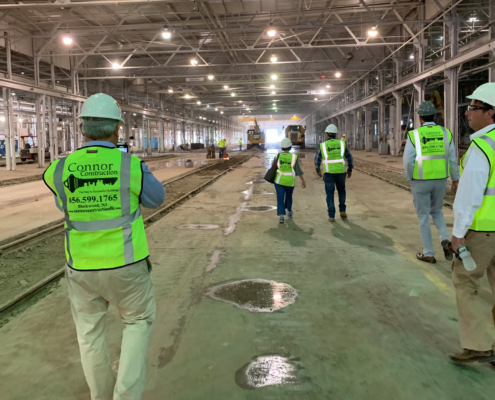
Before a single drawing is drafted, teams must evaluate the site’s potential for supporting the scope of the build. Soil conditions, topography, utility access, environmental impacts, and local zoning regulations all need to be assessed.

For industrial construction projects, this phase can reveal crucial information, such as whether the site can support heavy-duty machinery, truck loading zones, or large-scale utility hookups. A feasibility study will also account for potential site constraints that could affect design or limit future expansion.

2. Code Compliance and Permitting Strategy

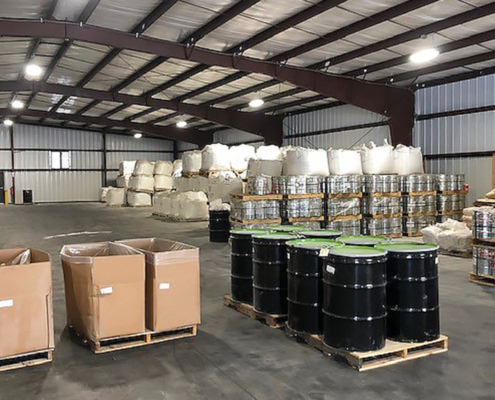
Industrial facilities are often subject to more rigorous code enforcement than typical commercial spaces. Fire suppression systems, hazardous material storage, ventilation, egress routes, and structural load requirements all need to meet industry-specific standards.

Developing a compliance roadmap during the planning phase ensures permitting moves forward smoothly. It also helps avoid construction delays triggered by code violations or missed reviews, keeping the project timeline intact.

3. Budgeting and Cost Control

One of the most significant advantages of thorough pre-construction planning is cost control. It’s not just about estimating the overall spend. It’s about forecasting the real cost of achieving operational readiness.

During this stage, estimators work with project teams to develop comprehensive budgets that account for everything from materials and labor to specialized systems and future maintenance. For industrial builds, this may include things like high-capacity HVAC, floor reinforcements for heavy equipment, or cleanroom finishes.

Early collaboration with procurement and subcontractors also helps lock in pricing and identify potential cost-saving alternatives before construction begins.

4. Construction Scheduling and Phasing

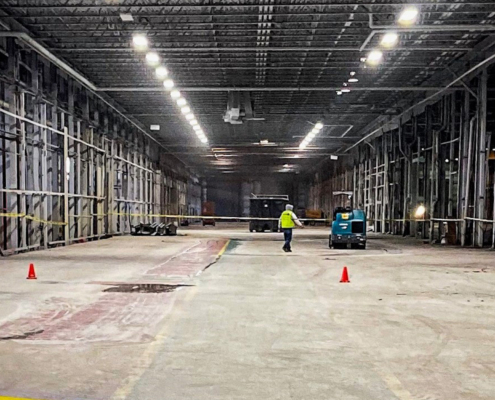
Industrial projects often run on tight timelines with operational launch dates that can’t be missed. Pre-construction scheduling allows teams to plan project phases with precision, especially in builds that require shutdown coordination, tenant turnover, or simultaneous operations.

Using tools like critical path analysis, stakeholders can anticipate long-lead items, plan for weather disruptions, and coordinate site logistics. If a manufacturing facility needs to be online by a certain quarter, pre-construction scheduling helps ensure the entire project is structured to hit that target without compromising quality or safety.

5. Risk Management and Safety Planning

Industrial construction environments are high-risk by nature. Whether it’s managing crane operations, confined spaces, or heavy mechanical installations, safety has to be addressed early and often.

Pre-construction planning identifies potential hazards before crews mobilize, allowing teams to engineer solutions, design safer workflows, and embed protocols into the project plan. This proactive approach not only protects workers. It keeps insurance costs in check and reduces the likelihood of shutdowns.

6. Operational Alignment

The ultimate goal of any industrial facility construction project is to create a space that functions exactly as needed on day one. That means aligning construction decisions with operational goals long before the building takes shape.

Pre-construction planning brings together designers, engineers, construction teams, and facility stakeholders to ensure layout, access, utility demands, and structural capacity are all configured around operational needs. This integration supports smoother turnover and reduces the cost of post-construction modifications.

Learn how to create a comprehensive pre-construction checklist to streamline planning, manage budgets, and set your commercial project up for success.

The Real-World Impact of Strong Pre-Construction Planning

Imagine an industrial facility designed to house specialized equipment with exact floor load requirements and vibration sensitivities. If those parameters aren’t factored into the foundation design early, retrofitting later could cost thousands or make the site unusable.

Or consider a warehouse expansion project where permitting delays cause major distribution disruptions. A clear permitting strategy developed during pre-construction can keep those delays from happening in the first place.

These are just two examples of how early-stage planning can make or break an industrial project. When the goal is a facility that supports uptime, safety, and long-term growth, pre-construction is the foundation that everything else rests on.

Build With Confidence From the Start

Connor Construction offers a strategic pre-construction process tailored for industrial facility construction, focusing on detailed budgeting, scheduling, code compliance, and risk management to ensure projects launch with clarity and confidence. Our team conducts thorough site evaluations, constructability reviews, and permitting strategies that align with complex industrial needs, streamlining everything from utility planning to subcontractor selection. With a proven ability to shorten the pre-construction phase to one-third the industry average, we help industrial clients avoid costly delays and navigate every stage with precision. Contact us today to schedule your pre-construction planning consultation.

More Like This

Connor Construction Industrial Construction
Understanding Industrial Construction Costs: What Factors Impact Your Budget?
Interior view of a warehouse